|

|

|
|

|
|



7. Drug Updates
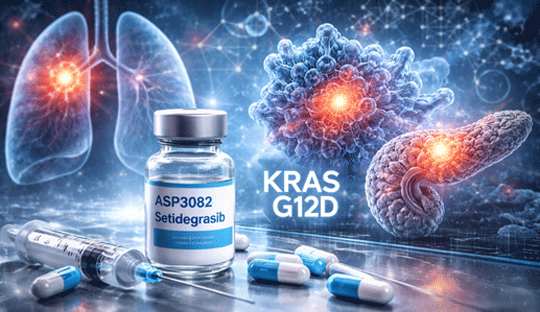
Setidegrasib Shows Promise in KRAS G12D–Mutated Lung and Pancreatic Cancers
Setidegrasib (ASP3082), a first-in-class KRAS G12D–targeted protein degrader, has demonstrated encouraging antitumor activity in patients with previously treated advanced solid tumors harboring KRAS p.G12D mutations. This mutation is present in approximately 5% of non–small-cell lung cancer (NSCLC) cases and up to 40% of pancreatic ductal adenocarcinoma, yet no approved targeted therapies currently exist. In a phase 1 clinical study involving 203 patients, the recommended phase 2 dose was established at 600 mg administered intravenously once weekly. At this dose, treatment-related adverse events were observed in most patients, with infusion-related reactions and nausea being the most common, while treatment discontinuation due to toxicity was rare.
Clinical responses were particularly notable in NSCLC, where 36% of patients achieved a partial response, with a median progression-free survival of 8.3 months and an estimated 12-month overall survival of 59%. In metastatic pancreatic cancer treated in second- or third-line settings, responses were observed in 24% of patients, with a median progression-free survival of 3.0 months and overall survival of 10.3 months. These findings suggest that setidegrasib may represent a promising targeted therapy for KRAS G12D–mutated cancers, a population with limited treatment options, although further phase 2 and 3 studies are required to confirm efficacy and long-term safety.
For enquiries info@jothydev.net.
Please visit: jothydev.net | research.jothydev.com | diabscreenkerala.net | jothydev.com/newsletter