
|

|

|
|

|
|



5. Association of Diabetic Foot Ulcers and Occupational shoes among industrial workers
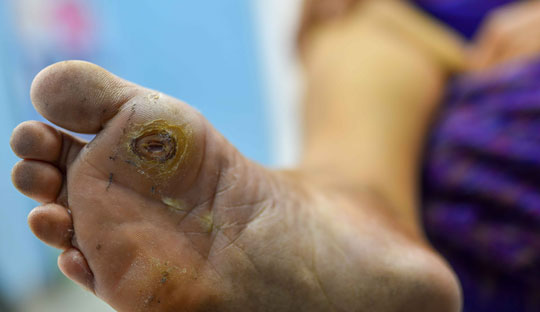
Inappropriate and poorly fitted footwear is a frequent contributor to diabetic foot ulcers (DFU). It is well-documented that people with diabetes are more likely to wear wrongly fitted shoes compared to those without diabetes. However, there is lack of evidence highlighting the significance of therapeutic footwear and insoles in preventing DFU. Professionals like deep-miners and factory-workers wear specialized safety-shoes to protect against occupational hazards (OF). The risk factors, clinico-microbiologic profile and complications of diabetic foot ulcers (DFU) in these professionals remain unexplored.
A cross-sectional observational study conducted by a group of researchers from West Bengal attempted to describe the unique clinico-microbiologic profile of DFU in those wearing occupational-footwear (OF) and find risk factors for DFU related osteomyelitis in them. The clinico-biochemical and microbiology parameters were compared between patients with and without DFU related osteomyelitis (DFO) within the OF group and logistic regression done to identify the risk factors associated with DFO. Comparative analysis was also performed between those with and without recurrent DFU among the OF-group patients to find risk factors for recurrence which might be distinctive to such professionals.
The results revealed that of 331 DFU cases seen over 5 years, those wearing OF (n = 107, 68 underground-miners and 39 steel-factory-workers) had high prevalence of forefoot-DFU (81.3%), dorsal-DFU ( 58.9%), recurrent-DFU (31.8%) and of polymicrobial infections (16.8%). Those with osteomyelitis in the OF group had higher prevalence of peripheral arterial disease (41.5% vs. 24.1%), past-amputation (28.3% vs. 11.1%), higher SINBAD scores, and were also less likely to change occupational-footwear at < = 6-month-interval (22.6% vs. 55.6%) than those without osteomyelitis. Increasing age, history of past amputation, CRP and reduced frequency of changing the OF were significant positive risk factors for osteomyelitis.
The investigation underlined the fact that existing national standards for OF manufacturing and regulations regarding their use in India are inadequate and must be made more stringent for professionals with diabetes, especially those at high risk for DFU like the elderly, history of past amputation or those with LOPS.
For enquiries info@jothydev.net.
Please visit: jothydev.net | research.jothydev.com | diabscreenkerala.net | jothydev.com/newsletter