
|

|

|
|

|
|



1. Paternal Microplastic Exposure and Metabolic Risk in the Next Generation
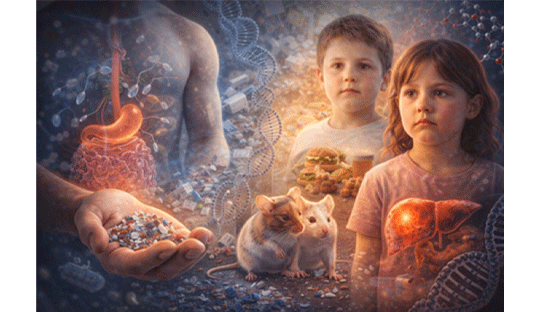
Background: Microplastics are now everywhere in the air we breathe, the water we drink, the food we eat, and even in human tissues. While most research has focused on the direct health effects of exposure, emerging evidence suggests something even more concerning: environmental toxins may shape disease risk across generations. A recent experimental mouse study reveals that fathers exposed to microplastics before conception can transmit metabolic vulnerability to their offspring even when the offspring themselves are never directly exposed. When challenged with a high-fat diet, female offspring showed increased susceptibility to diabetes-like metabolic disturbances, including liver gene changes linked to inflammation and impaired glucose regulation. Male offspring demonstrated distinct metabolic shifts as well, though without overt diabetes. Strikingly, the exposed fathers appeared metabolically normal, suggesting that silent environmental exposure can still program risk in the next generation.
The mechanism appears to lie within sperm. Using advanced sequencing techniques such as PANDORA-seq, researchers discovered that microplastic exposure altered small non-coding RNAs in sperm molecular regulators that influence gene expression during early embryonic development. These tiny RNA fragments function like biological switches, shaping metabolic programming long before birth. Although derived from animal models, the findings raise important public health questions: microplastics have already been detected in human reproductive tissues, and rising global rates of obesity and diabetes may not be driven by lifestyle alone, but also by inherited environmental signals. This research expands the conversation on diabetes prevention, emphasizing that metabolic health may begin even before conception and that environmental stewardship may be as critical as dietary advice in protecting future generations.
For enquiries info@jothydev.net.
Please visit: jothydev.net | research.jothydev.com | diabscreenkerala.net | jothydev.com/newsletter