|
|
|
|

|
|



4. Cosmetic Surgery Advertising: When Marketing Outpaces Medical Evidence
Overview
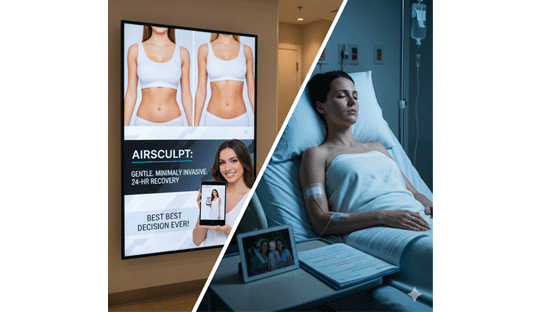
Scroll through social media and cosmetic surgery can look effortless, glowing “before-and-after” photos, glowing testimonials, and promises of sculpted perfection with barely any downtime. But behind the filters and fast-track recovery claims lies a far more complex medical reality. Investigations by KFF Health News have revealed how aggressive marketing campaigns often promote procedures as “gentle,” “low risk,” or “minimally invasive,” without publicly presenting strong scientific evidence to support those assurances. One highly marketed procedure, AirSculpt, promoted by Elite Body Sculpture, has been advertised as allowing patients to return to normal activities within 24–48 hours. Yet court records describe serious complications and multiple deaths, including the tragic case of Lenia Watson-Burton, who died from sepsis after undergoing the procedure. These cases underscore a stark contrast between marketing language and medical risk.
Although the Federal Trade Commission prohibits deceptive health advertising, enforcement particularly online remains inconsistent. Unlike pharmaceutical advertising, cosmetic surgery promotions are loosely monitored, allowing persuasive language to blur the line between optimism and overstatement. The American Society of Plastic Surgeons reminds patients that procedures such as liposuction commonly involve swelling, bruising, pain, and genuine recovery time realities that cannot be erased by branding. When influencers and promotional videos emphasize dramatic transformations but downplay risks, informed consent may be compromised. Cosmetic surgery is elective, but it is still surgery and as demand rises, the need for transparent communication, stricter oversight, and patient-centered education has never been more urgent.
For enquiries info@jothydev.net.
Please visit: jothydev.net | research.jothydev.com | diabscreenkerala.net | jothydev.com/newsletter