
|

|

|
|

|
|



5. 3D-Printed Insulin-Producing Cells Bring Hope for Type 1 Diabetes
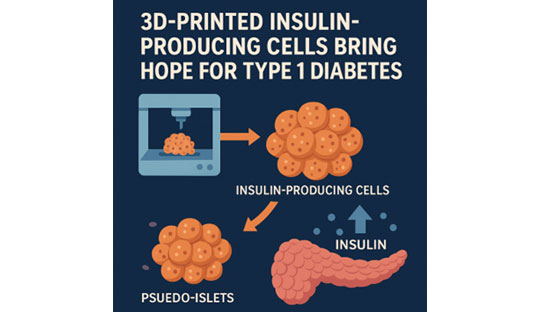
What if a printer could one day replace insulin injections?
That futuristic idea just got a step closer to reality. Scientists have successfully used 3D printing technology to create tiny clusters of insulin-producing cells, showing remarkable promise in laboratory studies. This cutting-edge advancement could pave the way for a long-term solution for people living with type 1 diabetes—a condition where the body’s immune system mistakenly destroys the insulin-making cells in the pancreas.
How It Works
Using a specialized 3D printer, researchers created cell clusters known as pseudo-islets. These mimic the function of the natural islets in the pancreas that are responsible for producing insulin.
These 3D-printed clusters:
- Produce insulin in response to glucose (just like healthy pancreatic cells)
- Form strong cell-to-cell communication, enhancing their ability to sense blood sugar levels
- Are printed using living cells, arranged in a precise architecture for optimal function
The results, though early, are exciting:
When tested in lab conditions, the printed clusters responded accurately to sugar spikes by secreting insulin—just as our bodies are supposed to.
Why This Matters
For the over 8 million people worldwide with type 1 diabetes, insulin injections and glucose monitoring are a daily routine. While these treatments manage the condition, they don’t offer a cure. This research marks a significant leap toward creating bioengineered replacement cells that could restore insulin production, potentially eliminating the need for injections.
Experts believe that in the future, these printed cells might be implanted into patients to naturally regulate blood sugar—a dream come true for those who have long hoped for a more permanent solution.
The Road Ahead
While this breakthrough is still in the experimental phase, the findings are extremely promising. Clinical trials in humans are the next big step, and researchers are working to ensure:
- Long-term survival of these printed cells
- Protection from immune system attacks
- Scalable, safe production methods for future use
GEMS Takeaway
This is more than science fiction—it’s science in action. 3D printing isn’t just about gadgets anymore; it’s being harnessed to reshape the future of diabetes care. For those with type 1 diabetes, this research offers a glimmer of hope for a life free of daily injections and constant worry.
As we watch this technology evolve, one thing is clear: the future of diabetes treatment is being printed—one insulin-producing cell at a time.
For enquiries info@jothydev.net.
Please visit: jothydev.net | research.jothydev.com | diabscreenkerala.net | jothydev.com/newsletter