
|

|

|
|

|
|



7. Drug and Device Updates
Control-IQ+ AID Technology Shows Positive Outcomes in Type 2 Diabetes
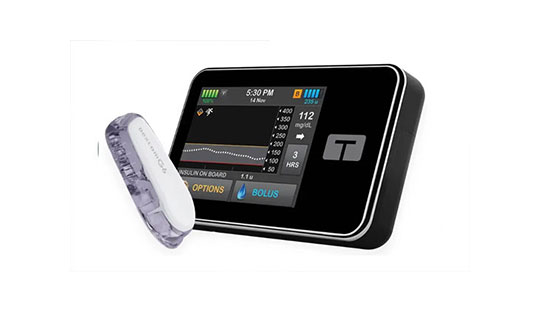
A 13-week randomized controlled trial evaluated Control-IQ+ automated insulin delivery (AID) technology in people with type 2 diabetes. Published in The New England Journal of Medicine (NEJM) and presented at ATTD 2024, the study demonstrated significant improvements in glycemic control, including reductions in HbA1c, increased time in range, and lower insulin requirements. The diverse study population included individuals using GLP-1 receptor agonists and SGLT-2 inhibitors, with Control-IQ+ proving effective across different bolusing strategies. Safety outcomes showed no increased risk of hypoglycemia, diabetic ketoacidosis, or hyperosmolar hyperglycemic syndrome, with only one severe hypoglycemia event successfully treated. Patient-reported outcomes indicated significantly improved device satisfaction and sleep quality with Control-IQ+ compared to the CGM group, along with high usability scores regardless of bolusing strategy. These findings highlight Control-IQ+ as a promising tool for optimizing diabetes management.
SGLT2 Inhibitor and GRA Combination in T1D: Improved Control and Safety

A randomized, double-blind, placebo-controlled crossover trial evaluated the effects of combining an SGLT2 inhibitor (dapagliflozin 10 mg daily) with a glucagon receptor antagonist (GRA, volagidemab 70 mg weekly) in individuals with type 1 diabetes. The study assessed glycemic control, insulin use, and ketogenesis. Combination therapy improved glucose levels and time in range compared to both baseline and SGLT2 inhibitor monotherapy, without increasing hypoglycemia risk. Participants experienced a significant reduction in insulin requirements while reporting enhanced treatment acceptability and satisfaction. Additionally, ketogenesis was mitigated, as evidenced by stable β-hydroxybutyrate levels, highlighting the potential of glucagon antagonism to counteract the increased ketoacidosis risk associated with SGLT2 inhibitors. These findings suggest that adding a GRA to SGLT2 inhibitors could optimize glycemic control while enhancing safety.
For enquiries info@jothydev.net.
Please visit: jothydev.net | research.jothydev.com | diabscreenkerala.net | jothydev.com/newsletter