
|
|

|
|

|
|



4. Trusting the Numbers: How Reliable Are CGMs in Diabetes Emergencies?
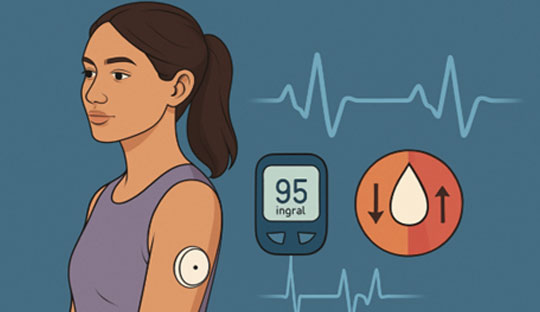
In the high-stakes environment of diabetes emergencies, clinicians are often left navigating unpredictable glucose fluctuations with limited data. Traditional point-of-care (POC) testing, while useful, offers only a fragmented glimpse into a patient's glycemic state. Enter continuous glucose monitoring (CGM)-a technology increasingly embraced for its ability to capture dynamic glucose trends. But can we trust it in emergency settings?
This prospective, single-center study set out to answer that very question by evaluating the accuracy and reliability of both intermittent scanning and real-time CGM systems in 151 patients hospitalized for diabetes emergencies. By comparing CGM data with POC capillary glucose measurements, the research aimed to assess whether CGM could stand up to clinical scrutiny during some of the most critical phases of diabetes care.
The findings were reassuring. The study reported a mean absolute relative difference (MARD) of 10.8%, reflecting good overall accuracy across a wide range of glucose levels. Interestingly, accuracy improved steadily from the hypoglycemic to the hyperglycemic range, suggesting CGM becomes even more reliable in severe dysglycemia. When assessed using the Clark Error Grid-an established clinical accuracy tool-99.1% of the CGM readings fell within zones considered either optimal or acceptable for clinical use. Similarly, Bland-Altman analysis showed 96% agreement between CGM and POC glucose values. When applying a modified version of the FDA’s %20/20 accuracy standard, over 90% of readings met the threshold.
The study also tracked CGM performance over time. The first day of sensor use showed slightly higher variability in accuracy, but from Day 2 onward, MARD values stabilized, indicating a short acclimatization period is necessary after sensor insertion. This real-world insight is vital for hospital workflows, as it supports CGM reliability during prolonged hospital stays.
These findings provide strong evidence that CGMs are not only feasible but accurate enough for use in inpatient settings, even in emergencies. With modern devices demonstrating both clinical safety and consistency, CGMs can offer continuous, actionable glucose data to guide treatment decisions more effectively than traditional monitoring alone.
Ultimately, this study moves us closer to reimagining how inpatient diabetes care can be delivered. By leveraging CGM technology, clinicians can respond more swiftly to glycemic excursions, reduce the risk of hypoglycemia, and personalize diabetes management-even in the most acute settings. As CGM use expands beyond outpatient care, its role in emergency and hospital medicine is becoming increasingly indispensable.
For enquiries info@jothydev.net.
Please visit: jothydev.net | research.jothydev.com | diabscreenkerala.net | jothydev.com/newsletter