

Article 5
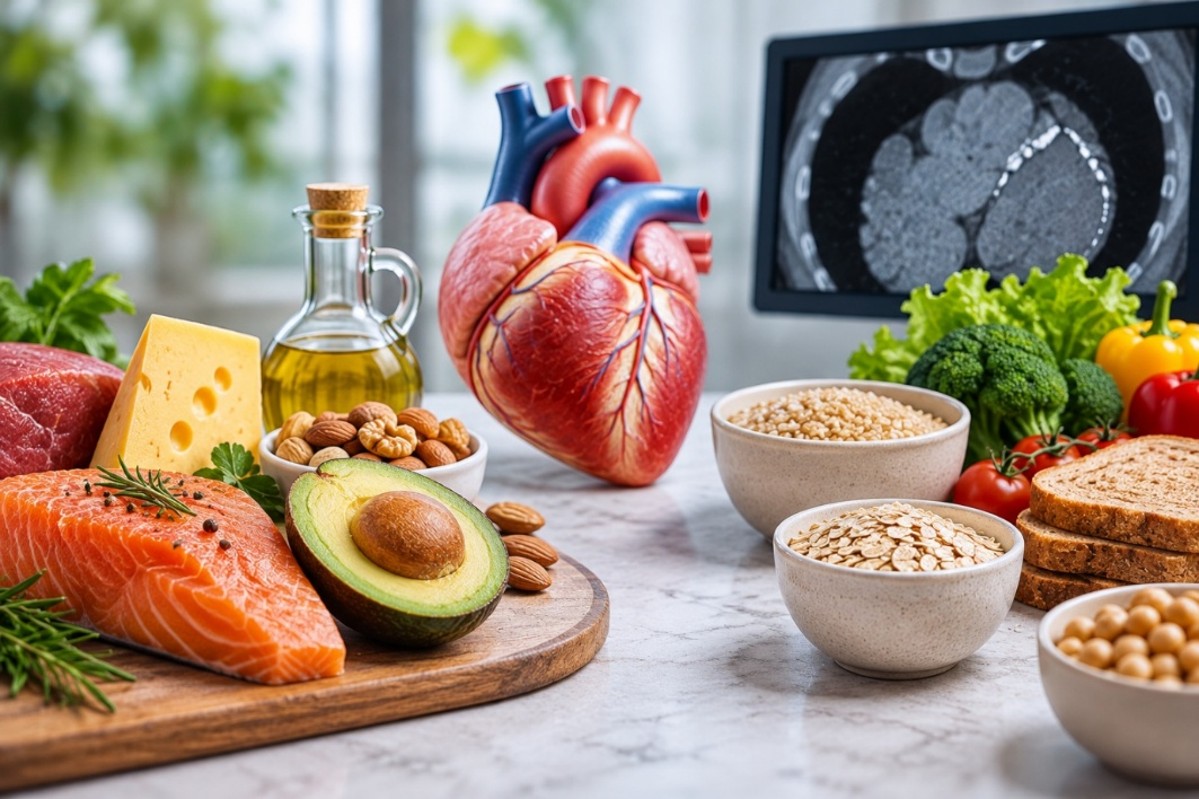
Saturated Fat and Heart Health: Does the Bigger Picture Matter More Than One Cholesterol Number?
Saturated fat has long been a focus of cardiovascular health advice, but a two-year randomized controlled trial from Norway offers new insights into how different dietary patterns affect blood lipids. The CARBFUNC trial included 193 adults with obesity who were assigned to one of three diets: a low-carbohydrate diet high in total and saturated fat, or diets containing more carbohydrates from either refined or minimally refined sources. All three diets provided similar protein intake, limited added sugar and recommended approximately 500 grams of vegetables daily. Researchers found that participants following the low-carbohydrate, high-fat diet experienced a modest 5–10% increase in LDL cholesterol, mainly attributed to larger LDL particles. At the same time, triglyceride levels decreased by 20–35%, while HDL cholesterol increased by 5–18%. Notably, apolipoprotein B (apoB), a marker reflecting the number of potentially artery-damaging lipoprotein particles did not increase appreciably compared with the other dietary groups.
The researchers also examined coronary artery calcium using CT scans after 12 months and found no clear increase in calcium deposits or significant differences between the diet groups. These findings suggest that dietary patterns can influence several cardiovascular risk markers in different ways, highlighting the importance of evaluating the overall metabolic picture rather than relying on a single measurement. However, the results do not establish that a diet high in saturated fat is safe or superior for long-term cardiovascular health. The study involved adults with obesity, and the absence of a short-term change in coronary artery calcification does not rule out future cardiovascular risk. The researchers emphasized that further studies are needed to understand the long-term implications of these combined changes. For now, the findings add nuance to ongoing research on how carbohydrate intake, fat quality and overall dietary patterns influence heart health.