

Article 1
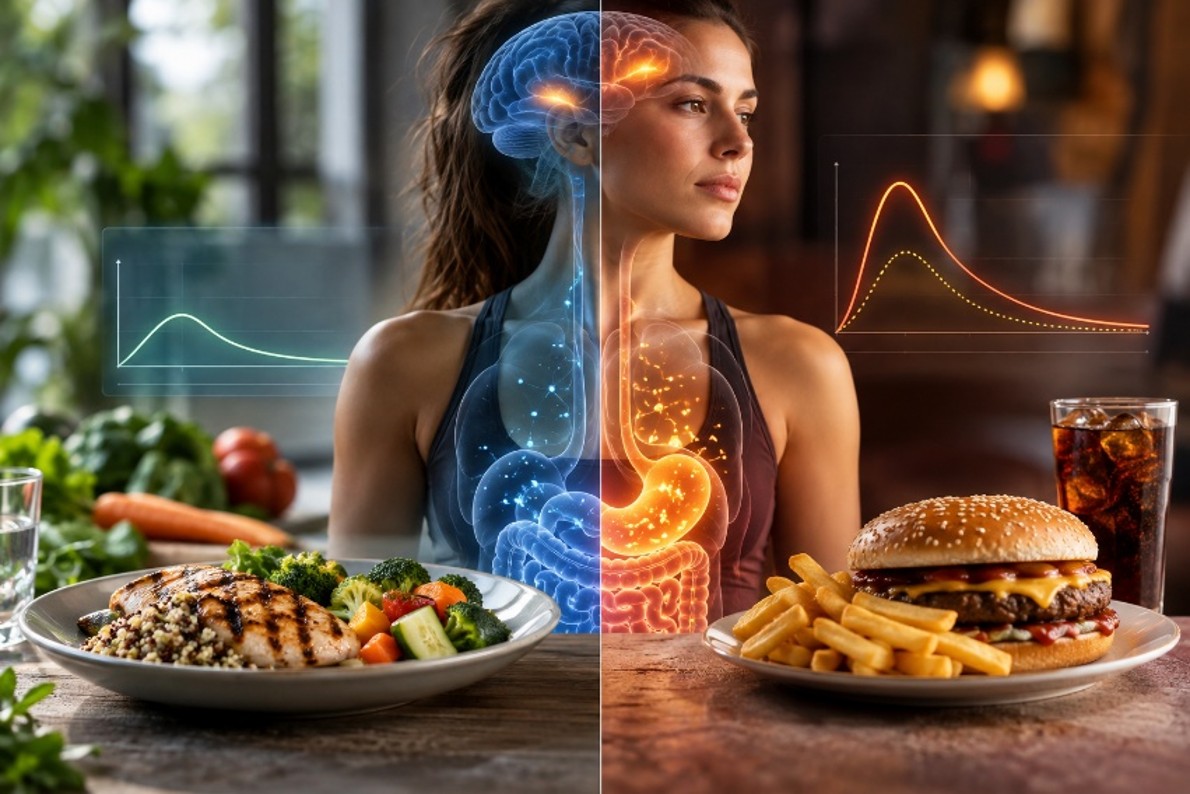
Ultra-processed Foods May Change the Body’s Response to Food, Even When Nutrition Looks the Same
A new study from researchers at the Fralin Biomedical Research Institute at Virginia Tech suggests that the way food is processed may influence the body’s metabolic response beyond its basic nutritional composition. Published October 5 in Nature Metabolism, the study compared minimally processed and ultraprocessed meals that were closely matched for calories, carbohydrates, fats, protein, water, salt, and weight. The study included 57 healthy adults aged 18–45 years, with 32 completing both the metabolic and brain-imaging sessions. Participants consumed 300-calorie meals in separate sessions, allowing researchers to compare individual responses to the two types of food.
Despite their near-identical nutritional profiles, the meals produced distinct metabolic responses. The ultraprocessed meal triggered a substantially greater insulin response, slightly higher and more prolonged post-meal blood glucose, increased energy expenditure, and lower carbohydrate oxidation. Brain imaging also revealed differences in activity involving the ventral striatum and nucleus accumbens, regions involved in motivation, learning, and reward. The findings raise the possibility that food processing itself and factors such as additives or changes in food structure, may influence metabolic and brain responses to eating. However, the study examined a small number of young, healthy adults and a single set of matched meals, and differences in protein sources, additives, and food structure may also have contributed. Further research is therefore needed to determine which features of ultraprocessed foods drive these effects and whether they contribute to long-term health outcomes.