

Article 3
Molecular Regulator CA8 Emerges as a Potential Therapeutic Target for Type 2 Diabetes
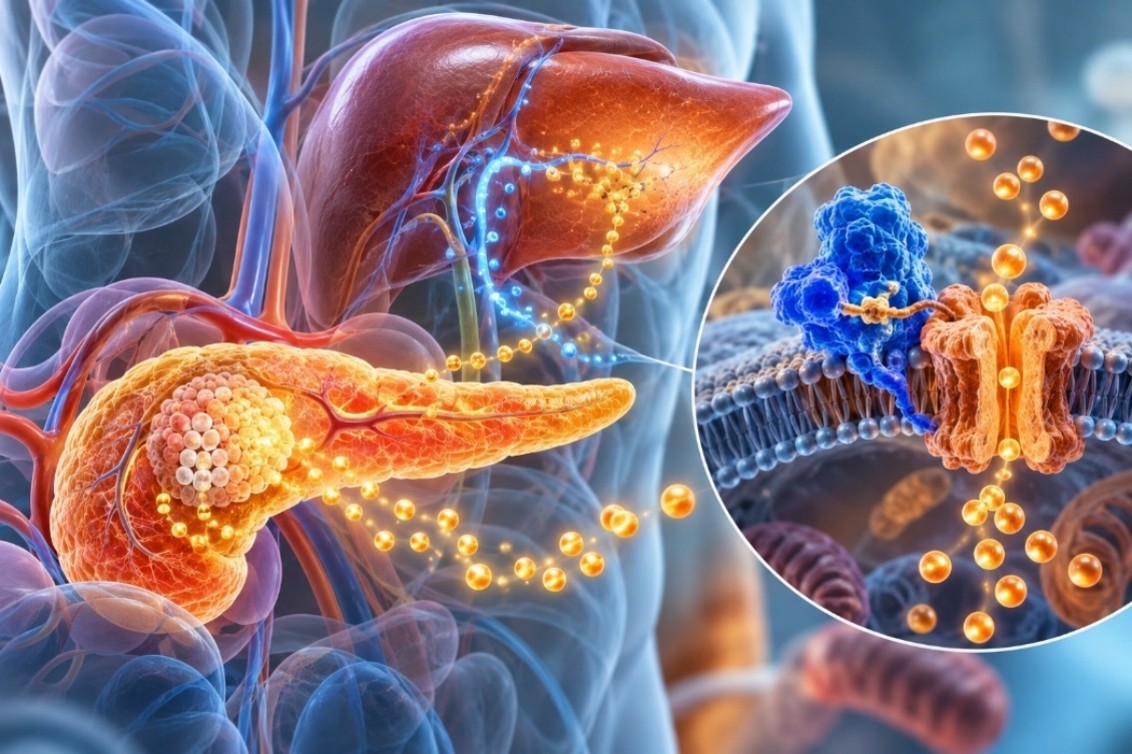
Researchers at Kyoto University have identified carbonic anhydrase VIII (CA8) as a potential therapeutic target for type 2 diabetes, uncovering a molecular mechanism that links glucose regulation in the pancreas and liver. Published in Science Advances in 2026, the study investigated how CA8 regulates intracellular calcium signalling through IP3R1, a calcium-release channel involved in key metabolic processes. Using genetically modified mice lacking functional CA8, alongside experiments on pancreatic islets and liver cells, the researchers examined insulin secretion, hepatic glucose production, and calcium responses. Their findings suggest that CA8 acts as a shared regulator of glucose metabolism, influencing insulin release from pancreatic beta cells and glucose production by the liver.
The study also revealed that CA8 expression changed differently in the two organs of obese and diabetic mice: it increased in pancreatic islets but decreased in liver cells, corresponding to impaired insulin secretion and excessive hepatic glucose production. Notably, restoring CA8 expression in the liver reduced excessive glucose production and fasting hyperglycaemia in the animal models. The researchers further observed that prolonged glucagon exposure increased CA8 expression, potentially contributing to reduced responsiveness to subsequent glucagon stimulation. These findings highlight the importance of understanding the pancreas and liver as interconnected regulators of glucose homeostasis. However, the evidence remains preclinical, and further research using human cells and tissues is necessary to establish whether CA8 can be safely and effectively targeted in future diabetes treatments.