

Article 6
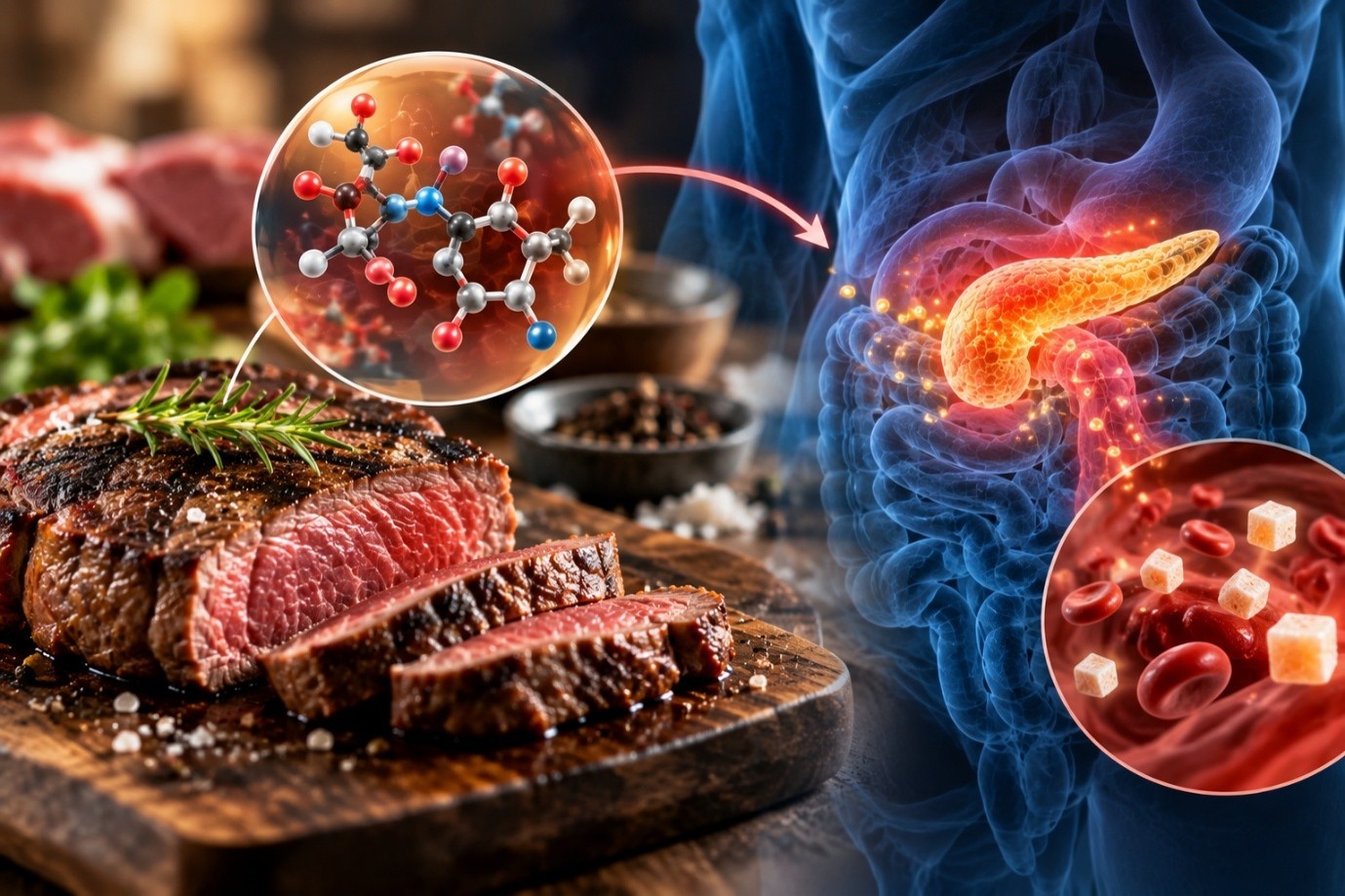
A Sugar Molecule in Red Meat May Be Linked to Higher Type 2 Diabetes Risk
A preliminary study presented at the 2026 Annual Meeting of the European Association for the Study of Diabetes (EASD) in Milan has identified a potential link between dietary N-glycolylneuraminic acid (Neu5Gc), a sugar molecule found mainly in red meat, and the risk of developing type 2 diabetes. Researchers analysed data from 89,953 adults participating in the French NutriNet-Santé study, with a median follow-up of 7.2 years. During this period, 966 participants developed type 2 diabetes. Compared with those in the lowest group of estimated meat-derived Neu5Gc intake, participants in the highest group had a 63% higher relative risk of developing the condition, while those in the second-highest group had a 41% higher risk. These associations remained statistically significant after adjustment for several potential confounding factors, including age, sex, physical activity, overall diet, smoking and existing health conditions.
One proposed explanation involves the body's immune response to Neu5Gc. Humans cannot produce this molecule naturally, but it can be absorbed from foods and incorporated into tissues, where the immune system may recognise it as foreign and generate antibodies. This process, known as xenosialitis, could contribute to chronic inflammation, potentially affecting insulin sensitivity and pancreatic beta-cell function. However, the findings are preliminary and do not establish a cause-and-effect relationship. Importantly, the association weakened and was no longer statistically significant after adjustment for total red meat consumption, making it difficult to determine whether Neu5Gc itself contributes independently to diabetes risk or reflects other components of red meat. The study also did not directly measure anti-Neu5Gc antibodies, and its findings have not yet been peer-reviewed. Further research is needed to verify the association and investigate the proposed biological mechanism.
While researchers continue to investigate the possible role of Neu5Gc in type 2 diabetes, these preliminary findings should not be a cause for alarm or lead to unnecessary dietary restrictions. Instead, they serve as a reminder that everyday food choices can influence long-term metabolic health. Focus on a balanced, varied diet rich in vegetables, fruits, whole grains, legumes, nuts and other fibre-rich foods, while limiting excessive consumption of red and processed meat. Choose appropriate protein sources and maintain regular physical activity, a healthy body weight and routine health check-ups. Diabetes prevention is not about fearing a single food or molecule, but about building sustainable, healthy habits over time.