
|
|

|
|

|
|



6. Life After Cancer: The Hidden Risk of Diabetes in Survivors
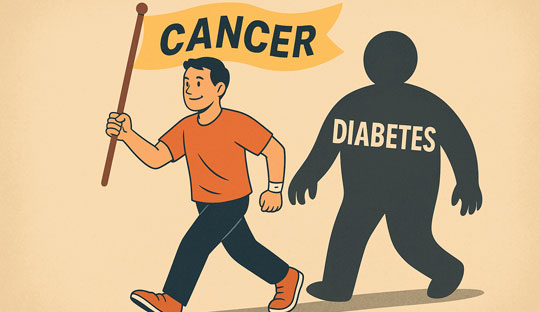
Surviving cancer is a remarkable victory, especially when the diagnosis comes during childhood or young adulthood. But for many, the journey doesn’t end with remission. New research from the U.K. reveals a concerning long-term consequence: a significantly increased risk of developing diabetes, years or even decades after treatment.
By examining cancer and health records of over 4,200 childhood and young adult cancer (CYAC) survivors, researchers found that certain cancer treatments—especially total body irradiation (TBI), corticosteroids, and hematopoietic stem cell transplants (HSCT)—are strongly linked to the later development of diabetes.
Among the key findings: those who received TBI had more than double the risk of developing diabetes compared to those who didn’t. Similarly, survivors who had undergone HSCT, particularly allogeneic transplants (from a donor), were at markedly higher risk. Even standard therapies like corticosteroids, often essential for cancer management, were shown to contribute to this increased risk.
What’s especially striking is how early these differences in risk begin to show. Within just 10 years after cancer diagnosis, variations based on treatment history become apparent—and they continue to grow with time.
These findings emphasize the need for long-term follow-up and tailored screening for diabetes in CYAC survivors. Routine checkups may not be enough; survivors who’ve undergone high-risk treatments might benefit from personalized screening plans and preventive care.
Cancer may be behind them, but for many survivors, the health challenges continue. With research like this shining a light on hidden risks, there’s hope that healthcare systems can respond with the proactive care these survivors truly need.
For enquiries info@jothydev.net.
Please visit: jothydev.net | research.jothydev.com | diabscreenkerala.net | jothydev.com/newsletter