
|

|

|
|

|
|



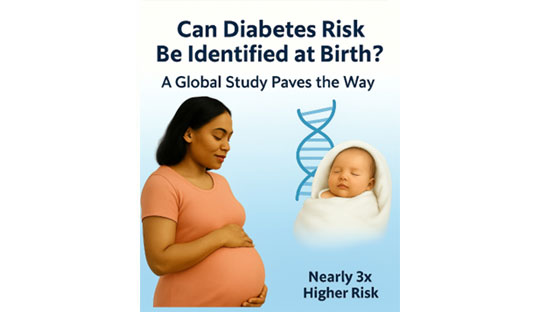
4. Can Diabetes Risk Be Identified at Birth? A Global Study Paves the Way
Type 2 diabetes (T2D) is increasingly affecting younger populations, including adolescents and even pre-teens. This raises a crucial question: can we predict who is most likely to develop diabetes early in life—and even at birth?
A new multinational cohort study and accompanying editorial in Diabetes Care provide the strongest signal yet that we can. The results are reshaping how scientists and clinicians think about diabetes prevention in early life, and even in utero.
What the Study Explored
This large prospective study tracked 3,444 children from diverse ethnic backgrounds and geographies, examining:
- Maternal metabolic status during pregnancy, especially the presence or absence of gestational diabetes mellitus (GDM).
- Childhood genetic risk for T2D, calculated using a polygenic risk score derived from over 1,100 known T2D-associated genetic variants.
- Childhood glucose status, tracked up to age 14.
Key Findings – Risk Starts Before Birth
Children were categorized based on whether they were:
- Exposed to gestational diabetes in utero,
- Had a high or low polygenic risk score.
The results were striking:
- Children with neither risk factor (no GDM exposure and low genetic risk) had only a 5.6% chance of developing abnormal glucose levels by adolescence.
- Children with both risk factors—i.e., born to mothers with GDM and carrying high genetic risk—had a 15.9% risk of developing early signs of diabetes.
This means children in the high-risk group were nearly 3 times as likely to show signs of diabetes by age 14.
These differences remained significant even after adjusting for variables like body weight and puberty status—strengthening the evidence that intrauterine exposure and inherited risk both independently and additively shape a child’s future diabetes risk.
The Science Behind It
Exposure to high glucose levels in the womb has long been linked to impaired fetal insulin sensitivity, disrupted beta cell function, and a greater tendency toward insulin resistance later in life.
Combine this with a genetic tendency—where certain DNA variants reduce the efficiency of insulin production or increase fat storage—and the stage is set for early-onset metabolic dysfunction.
This study shows that the “programming” begins much earlier than previously assumed, and that both biological inheritance and prenatal environment matter.
Implications: Toward Precision Prevention
The editorial emphasizes the need for a paradigm shift—from reactive diabetes care to anticipatory, preventive strategies. Here's how this study helps move us in that direction:
- Screening at birth: If polygenic risk scores and gestational history are available, at-risk children could be flagged for early lifestyle interventions, long before glucose abnormalities manifest.
- Targeted follow-up: Pediatric care can be personalized. Children with high inherited and environmental risk can be offered dietary counselling, activity guidance, and metabolic screening from a younger age.
- Maternal care as prevention: Improved glucose control during pregnancy—through nutrition, physical activity, or medication when needed—may directly reduce a child’s future diabetes risk.
A Global Lens, A Personal Future
One of the strengths of this study is its multi-country design. It included data from ethnically and geographically diverse cohorts, increasing confidence that these findings apply broadly—not just to one population.
By combining prenatal exposures with cutting-edge genetic science, this research offers a glimpse of precision public health: a world where diabetes can be prevented before it starts, tailored to each child’s background and biology.
Final Thoughts
The findings signal a potential breakthrough: diabetes prevention may need to begin not in childhood—but before birth.
This isn't just a scientific advance; it's a call to action. For healthcare providers, policy makers, and families alike, early-life interventions—grounded in good prenatal care and emerging genetic tools—could be the next big leap in turning the tide on youth-onset diabetes.
Read the full editorial here:
For enquiries info@jothydev.net.
Please visit: jothydev.net | research.jothydev.com | diabscreenkerala.net | jothydev.com/newsletter