
|
|
|
|

|
|



2. Big Policy, Bigger Impact: WHO’s 50% Price Hike Proposal on Sugar, Alcohol & Tobacco Could Reshape Global Health
A Bold Prescription from WHO
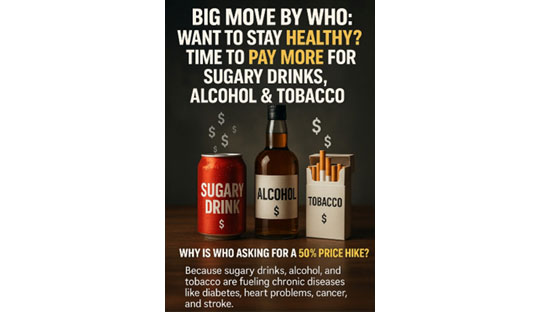
The World Health Organization (WHO) has issued a striking recommendation: increase the price of sugary drinks, alcohol, and tobacco by at least 50%.
Why? Because these everyday products—often dismissed as harmless indulgences—are now major contributors to the global burden of noncommunicable diseases (NCDs), including type 2 diabetes, cardiovascular disease, fatty liver, cancer, and stroke.
This is not a moral stance—it's a scientifically backed public health strategy.
What’s the Medical Rationale?
The metabolic damage linked to these products is profound:
- Sugary drinks spike blood glucose, promote visceral fat, drive non-alcoholic fatty liver disease (NAFLD), and worsen insulin resistance.
- Alcohol impairs hepatic insulin sensitivity, increases triglycerides, and contributes to beta-cell dysfunction.
- Tobacco accelerates vascular injury through oxidative stress, endothelial dysfunction, and systemic inflammation—amplifying diabetes-related complications.
These mechanisms are not theoretical—they are observable, measurable, and preventable.
What the Research Shows
WHO's policy isn't speculative—it’s grounded in global data:
- A 50% excise tax on sugary drinks could cut consumption by more than 25%
- Tobacco taxes have prevented millions of premature deaths in the past two decades
- Countries like Mexico, South Africa, and the UK have documented reduced obesity and diabetes rates after implementing similar taxes
In essence: higher prices → reduced intake → healthier populations.
Beyond Revenue: Investing in Health
These taxes aren't just deterrents—they’re powerful public health investments. Funds generated can be redirected toward:
- Free diabetes and NCD screenings
- Community health education
- Improved diabetes care access
- Infrastructure for nutrition and wellness programs
This isn’t punishment—it’s prevention with purpose.
Why It Matters for Diabetes
If you live with type 2 diabetes, the stakes are even higher. Reducing or eliminating sugary drinks, alcohol, and smoking can:
- Lower blood glucose and HbA1c
- Facilitate natural, sustained weight loss
- Reduce reliance on insulin and oral medications
- Prevent long-term complications like nephropathy, neuropathy, retinopathy, and cardiovascular events
This policy is not just about economics—it’s about reclaiming metabolic health.
GEMS Takeaway
In the fight against diabetes and chronic disease, we must look beyond the prescription pad. WHO’s strategy reminds us that price tags influence choices, and smart taxes can yield lifelong dividends in health.
So next time you reach for a sugary soda or think about lighting up, remember: your choices matter—but so does policy.
For enquiries info@jothydev.net.
Please visit: jothydev.net | research.jothydev.com | diabscreenkerala.net | jothydev.com/newsletter