
|

|

|
|

|
|



6. Food Coloring Additives Linked to Higher Type 2 Diabetes Risk
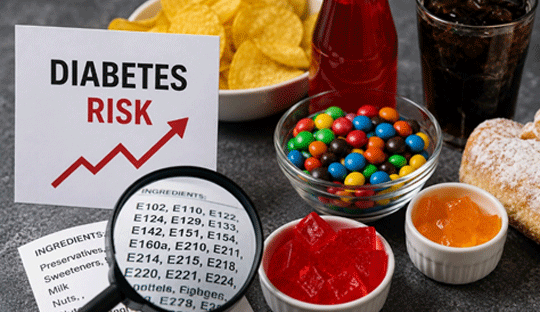
A large prospective study involving more than 108,000 adults has raised new concerns about the long-term metabolic effects of food coloring additives commonly used in processed and ultra-processed foods. Researchers followed participants for over eight years and identified 1,131 new cases of type 2 diabetes. After adjusting for major lifestyle and dietary risk factors, higher exposure to several food coloring additives was associated with a significantly increased risk of developing type 2 diabetes. Notably, individuals with the highest consumption of total food colorings had a 38% greater risk of diabetes compared with those with lower exposure. Increased risks were observed with several commonly used coloring agents, including caramel colorings, carotenoids, curcumin, anthocyanins, and cochineal-derived colorants. Interestingly, both synthetic and naturally derived coloring additives showed associations with elevated diabetes risk, suggesting that the health effects of additives may depend on how they are processed and incorporated into foods rather than their natural or artificial origin alone.
The study also revealed that beverages were among the largest contributors to food-coloring exposure, highlighting the role of processed drinks and packaged foods in additive consumption. Although the findings do not prove causation, they add to growing evidence linking food additives and ultra-processed foods with adverse metabolic health outcomes. Researchers suggest that certain coloring agents may influence inflammation, insulin signaling, gut microbiota, and pancreatic function, potentially contributing to diabetes development over time. The authors emphasize that further mechanistic and clinical studies are needed to confirm these associations. Nevertheless, the findings reinforce current public health recommendations to prioritize minimally processed foods and encourage closer evaluation of food additives that are widely consumed across global food systems.
For enquiries info@jothydev.net.
Please visit: jothydev.net | research.jothydev.com | diabscreenkerala.net | jothydev.com/newsletter