
|

|

|
|

|
|



1. Finally, the Ray of Hope! Stem Cell Therapy Achieves World’s First Ever Reversal of Type 1 Diabetes
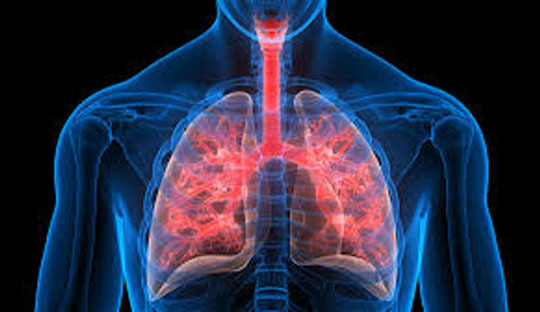
The prevalence of individuals with cystic fibrosis is incredibly high. It is observed that when the population ages, the risk of occurrence of CF-related diabetes (CFRD) increases in people with cystic fibrosis compared to those without the condition. Even though highly effective modulator therapies (HEMT) are increasingly used in this population, it does not significantly improve glucose metabolism or pancreatic endocrine function. Hence newer therapies and deeper insights into pancreatic function are essential. Recent research published in ‘scientific reports’ explores the association between CFRD and reduced islet protein expression of GLP-1 receptor and disturbed cell-specific transcriptional programs in people with CFRD.
Glucagon-like peptide-1 (GLP-1) from islet α cells enhances insulin secretion by binding to GLP-1 receptors (GLP-1Rs) on β cells. The researchers analyzed whether expression of GLP-1 and/or it signaling components are reduced in CFRD, which in turn may contribute to impaired insulin secretion. Pancreas specimens from de-identified human donors were obtained from two sources: samples from an existing retrospective autopsy collection and pancreas samples prospectively collected from human organ donors. Immunohistochemistry analysis for GLP-1 and GLP-1R was performed. Islets were distinguished morphologically, and areas of illumination (AOI) were selected based on insulin- and glucagon-positive immunofluorescence within islets and intact islets were selected for sequencing using Illumina NovaSeq 6000 system. Statistical differences were identified using One-way ANOVA with pairwise comparisons conducted with a Mann-Whitney test or Kruskal-Wallis test for multiple comparisons. Immunohistochemistry of pancreas from humans with CFRD versus no-CF/no-diabetes revealed reduced GLP-1R immunoreactivity per islet area or per insulin-positive islet area in CFRD. Spatial transcriptomics, results showed several differentially expressed α- and/or β-cell genes between CFRD and control pancreas. Gene set enrichment analysis also revealed α and β cell-specific pathway dysregulation in CFRD. The results suggest that intra-islet GLP-1 is not limited to CFRD, but its action may be restricted due to reduced GLP-1R protein levels. Thus, restoring β-cell GLP-1R protein expression may improve β-cell function in CFRD.
For enquiries info@jothydev.net.
Please visit: jothydev.net | research.jothydev.com | diabscreenkerala.net | jothydev.com/newsletter