
|

|

|
|

|
|



2. New Algorithm Optimizes Drug Choices for Type 2 Diabetes
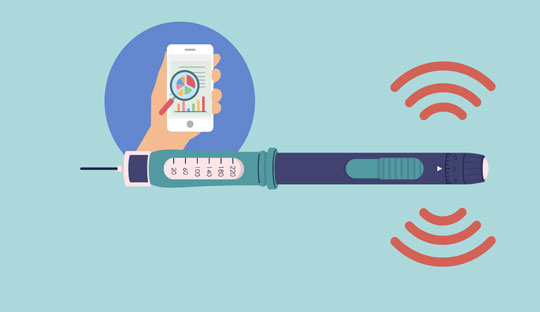
Synthetic insulin injections reduce blood glucose. But hypoglycemia caused by exercise or meal skipping is a problem that people with diabetes fear greatly since it can result in unconsciousness, coma, or death. Attempts were made forty-five years ago to manufacture glucose-sensitive insulin molecules that can auto-adjust its bioactivity based on glucose levels in the blood, while lowering the risk of hypoglycemia, and numerous unsuccessful strategies have been employed ever since. Recent reports says that scientists have developed a glucose-regulated insulin that can change its own activity in response to glucose concentration, according to a paper published in ‘Nature’ by Hoeg-Jensen et al. This insulin that responds to glucose may help people with diabetes avoid dangerously low blood sugar levels.
After pre-clinical trials, the engineered molecule, known as NNC2215, was found to be equivalently effective as human natural insulin. Although it has not yet been sufficiently improved for use in humans, preliminary results are encouraging enough to already closely resemble the anticipated observations in humans. It is hoped that smart insulin will solve the problem of adjusting insulin dosage to blood sugar levels and blood sugar fluctuations.
Although attempts to create a smart molecule have been made before, this study is the first of its kind that specifically targets the blood sugar molecule glucose rather than fructose.
For enquiries info@jothydev.net.
Please visit: jothydev.net | research.jothydev.com | diabscreenkerala.net | jothydev.com/newsletter