
|

|

|
|

|
|



1. GEMS Research Spotlight: How Metformin Alters Metal Levels in the Body — And Why It Matters
A New Layer to an Old Medicine
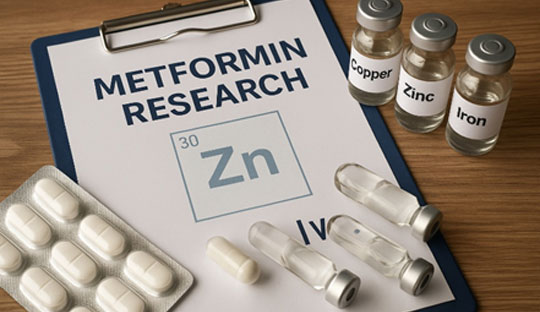
Metformin has long been the go-to drug for treating type 2 diabetes. It helps lower blood glucose, improve insulin sensitivity, and is often the first medication prescribed to newly diagnosed patients. But new research suggests this familiar medicine may be working in ways we hadn’t fully appreciated, by changing the levels of essential metals like copper, iron, and zinc in the blood.
The Big Discovery
A recent study published in BMJ Open Diabetes Research & Care by Otowa-Suematsu and colleagues (2025) investigated the association between metformin and blood metal dynamics in individuals with type 2 diabetes. The study analyzed 189 adults, dividing them into two groups: those using metformin for at least six months (93 participants), and those not on metformin (96 participants).
Here's what they found:
- Copper levels were significantly lower in metformin users (16.0 µmol/L vs. 17.8 µmol/L, p < 0.001)
- Iron levels were also lower (16.3 µmol/L vs. 17.3 µmol/L, p = 0.02)
- Zinc levels were higher (13.3 µmol/L vs. 12.5 µmol/L, p = 0.01)
These changes remained consistent even after adjusting for age, body mass index, kidney function, and other possible confounding factors. The team also observed higher levels of homocysteine and lower vitamin B12 among those using metformin, both known to be affected by long-term use of the drug.
Why Do These Metals Matter?
Though often overlooked, trace metals play critical roles in the human body:
- Copper and iron are essential for red blood cell formation and energy metabolism, but when elevated, they may promote oxidative stress, worsen insulin resistance, and accelerate vascular damage in people with diabetes.
- Zinc, on the other hand, is known to support insulin secretion, stabilize blood sugar, and reduce inflammation, making its elevation in metformin users a potentially protective effect.
This study suggests that metformin may exert part of its protective action by rebalancing these essential metals, reducing harmful ones and promoting beneficial ones.
More Than Blood Glucose Control
The implications of these findings are far-reaching. They might help explain metformin's benefits beyond glucose lowering, such as its effects on:
- Cardiovascular protection
- Anti-inflammatory activity
- Cancer risk reduction (studied in several populations)
It also opens the door to a new therapeutic strategy: managing metabolic diseases by modulating trace metal balance.
What Should Patients Know?
Metformin remains a safe and essential medication for managing type 2 diabetes. However, the study reinforces the importance of:
- Monitoring vitamin B12 and homocysteine levels, especially during long-term use
- Considering trace mineral levels (like zinc, copper, and iron) in nutritional assessments
- Understanding that medications may affect micronutrients, influencing long-term health
The researchers caution that while these associations are robust, causation cannot be confirmed yet, and more longitudinal studies are needed.
GEMS Takeaway
Metformin might be doing more than we thought, acting almost like a mineral manager in the bloodstream. Its ability to lower harmful metals (copper and iron) and raise helpful ones (zinc) could partly explain its protective effects on blood vessels, nerves, and possibly even cancer risk.
This study sheds light on how a decades-old medication still has secrets left to reveal. And it reminds clinicians and patients alike: in diabetes management, the small things, like micronutrients, might make a big difference.
For enquiries info@jothydev.net.
Please visit: jothydev.net | research.jothydev.com | diabscreenkerala.net | jothydev.com/newsletter