
|

|

|
|

|
|



4. When Your Gut Microbes Become Allies: A Surprising Molecule from the Microbiome That Could Combat Insulin Resistance
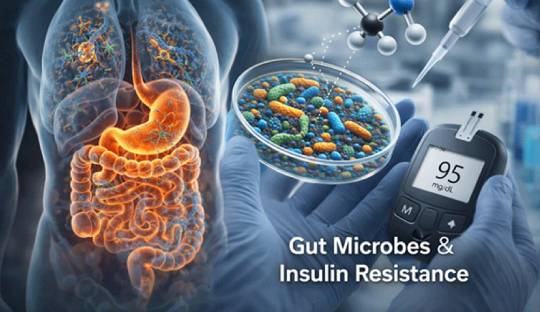
For years, scientists have studied how an unhealthy diet and obesity trigger chronic, low-grade inflammation that eventually derails metabolic health, shutting down insulin responsiveness, promoting type 2 diabetes, and causing a cascade of metabolic issues. What if part of the solution doesn’t lie in drugs or drastic lifestyle overhauls, but rather inside us in our gut microbes?
A ground breaking new study reveals that a metabolite produced by gut bacteria, Trimethylamine (TMA), may act as a molecular shield blocking inflammatory signalling in metabolic tissues and improving glucose control. It does this by targeting a central immune-signalling protein, IRAK4 (interleukin-1 receptor–associated kinase 4), which sits at the heart of pathways that link diet, inflammation, and metabolic dysfunction.
The results hint at a powerful and unexpected possibility: through the right diet and gut microbiome support, one might harness internal biochemical signals to help prevent or ameliorate insulin resistance and metabolic disease.
What the Researchers Did and Why It Matters?
Using a combination of human cell models, mouse experiments, and molecular screening, the research team explored how microbial metabolites influence host metabolism. Their major findings:
- In human immune cells (monocytes) and hepatocytes (liver cells), TMA inhibited IRAK4 activity, thereby dampening inflammatory signalling even when cells were exposed to pro-inflammatory triggers (e.g., endotoxin or saturated fatty acids).
- In mice fed a high-fat diet (HFD), a well-established model for diet-induced insulin resistance, supplementation with TMA prevented the usual inflammatory response and metabolic derangements (impaired insulin sensitivity, disrupted glucose control) that HFD typically causes.
- Genetic deletion of IRAK4 in mice mirrored the protective effects seen with TMA, showing improved glucose tolerance and reduced inflammation despite a high-fat diet.
- A chemical inhibitor of IRAK4 (previously in development for other diseases) similarly improved insulin sensitivity and glucose metabolism, strengthening the idea that IRAK4 is a promising therapeutic target for metabolic disease.
In short: TMA acts as a natural IRAK4 inhibitor, reprogramming the immune-metabolic interface in a way that protects against diet-induced metabolic inflammation and insulin resistance.
Why This Discovery Is a Game Changer?
- Gut microbes aren’t just passive passengers, they produce molecules that directly influence core immune-metabolic pathways in our bodies. TMA is now one such molecule with demonstrated beneficial effects.
- Insulin resistance and metabolic inflammation may be modifiable through the microbiome. This provides a conceptual shift: instead of only treating diabetes with drugs or lifestyle changes, future interventions might include modulating gut bacteria or microbial metabolites.
- IRAK4, a druggable kinase, emerges as a promising therapeutic target. Because chemical inhibition of IRAK4 reproduces the same beneficial effects as microbial TMA, this opens the path for development of new therapies.
- Potential for preventive strategies. For people at risk of metabolic syndrome or type 2 diabetes (due to diet, obesity, sedentary lifestyle), microbiome-based dietary or supplement interventions may one day help reduce risk, possibly before serious disease develops.
What to Keep in Mind, What’s Still Unknown?
- The current findings are from cellular models and animal experiments, not yet in humans. Human metabolic, immune, and microbiome complexity means results may vary.
- The long-term safety of modulating IRAK4 or continuously altering microbial metabolite production needs careful study. IRAK4 plays roles in immune defence; dampening it chronically might have unintended effects on infection resistance.
- There is considerable individual variability in gut microbiomes. Not everyone may naturally produce sufficient TMA (or beneficial metabolites) even with the same diet and the balance of microbial species may matter.
- Translating this into practical interventions (diet, probiotics, drugs) will require extensive clinical research, regulatory validation, and personalization.
What This Means for You
If you’re conscious about metabolic health, whether for yourself, family, or community, this research offers hope and inspiration:
- It suggests that nurturing your gut microbiome through balanced diet, fiber-rich foods, prebiotics/probiotics, possibly mindful choline intake could one day contribute to metabolic resilience.
- It points to a future where therapies for diabetes and insulin resistance may come not only as pills or injections, but also as microbiome-based approaches, potentially gentler and more sustainable.
- It underscores the deep connection between what we eat, who lives inside us (gut microbes), and how our body functions, a holistic perspective that may shape the next generation of metabolic health strategies.
This discovery reminds us: sometimes, the most powerful medicine is … living inside us.
For enquiries info@jothydev.net.
Please visit: jothydev.net | research.jothydev.com | diabscreenkerala.net | jothydev.com/newsletter