
|
|

|
|

|
|



Optimizing the Use of Continuous Glucose Monitoring in Type 2 Diabetes on Noninsulin Therapy
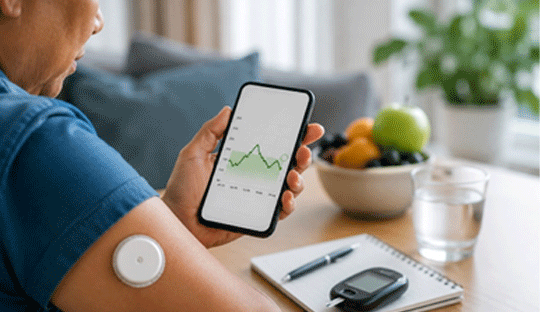
A recent review published in the International Journal of Diabetes and Technology highlights the expanding role of continuous glucose monitoring (CGM) in individuals with type 2 diabetes (T2D) managed without insulin therapy. Traditionally used mainly in insulin-treated diabetes, CGM is now emerging as a valuable tool even for people on noninsulin regimens by providing real-time insights into glucose fluctuations, lifestyle impact, and treatment response. Through a case-based narrative review and expert opinion approach, the article identifies four key groups that may particularly benefit from CGM: individuals with suboptimal glycemic control, overweight or obese patients seeking lifestyle modification support, people with cardiovascular risk factors, and elderly individuals at risk of hypoglycemia. The review emphasizes that CGM can move diabetes management beyond isolated glucose readings by offering a more complete understanding of daily glycemic patterns and behavioral influences.
The authors further demonstrate how ambulatory glucose profile (AGP) interpretation can guide personalized dietary choices, physical activity, medication optimization, and risk reduction strategies. In overweight individuals, CGM served as a motivational and educational tool by visually linking food choices and activity patterns to glucose excursions, thereby encouraging sustainable lifestyle changes and improved adherence. In elderly populations, CGM helped balance glycemic control with safety by identifying hidden hypoglycemia and glucose variability. The review also highlights the potential cardiovascular relevance of glucose variability and postprandial hyperglycemia, suggesting that CGM may contribute to broader metabolic and vascular risk management. Overall, the article reinforces that CGM, when used strategically in motivated individuals with noninsulin-treated T2D, can empower self-management, enhance patient engagement, and support more individualized, data-driven diabetes care.
For enquiries info@jothydev.net.
Please visit: jothydev.net | research.jothydev.com | diabscreenkerala.net | jothydev.com/newsletter